The actives and the oils
Coconut Oil
Coconut oil is pressed from the flesh of the coconut. It is rich in lauric acid and solid at cool room temperature.
- On a list as
- Cocos Nucifera (Coconut) Oil
- What it does
- Emollient oil
- Where it comes from
- Plant: the coconut
- Vegan?
- Yes
Why it’s in a formula
It is rich and softening, which makes it a good fit for lip scrubs, balms, body butters and masks.
- It is one of the oils most often reported to clog pores on the face. On lips and body that rarely matters; on breakout-prone facial skin, be cautious.
Where you’ll find it at Divina
Read from each piece’s published ingredient list. 9 pieces.

Le Beurre
Whipped Body Butter — 200ml
$72
Listed as Cocos Nucifera (Coconut Oil)
Vegan, going by its list

L'Éclat
Lip Gloss
$44
Listed as Hydrogenated Coconut Oil
Not vegan: lanolin and beeswax, and some shades may contain carmine

Le Masque d'Argile
Purifying Clay Mask — 118ml
$64
Listed as Cocos Nucifera (Coconut) Oil
Vegan, going by its list

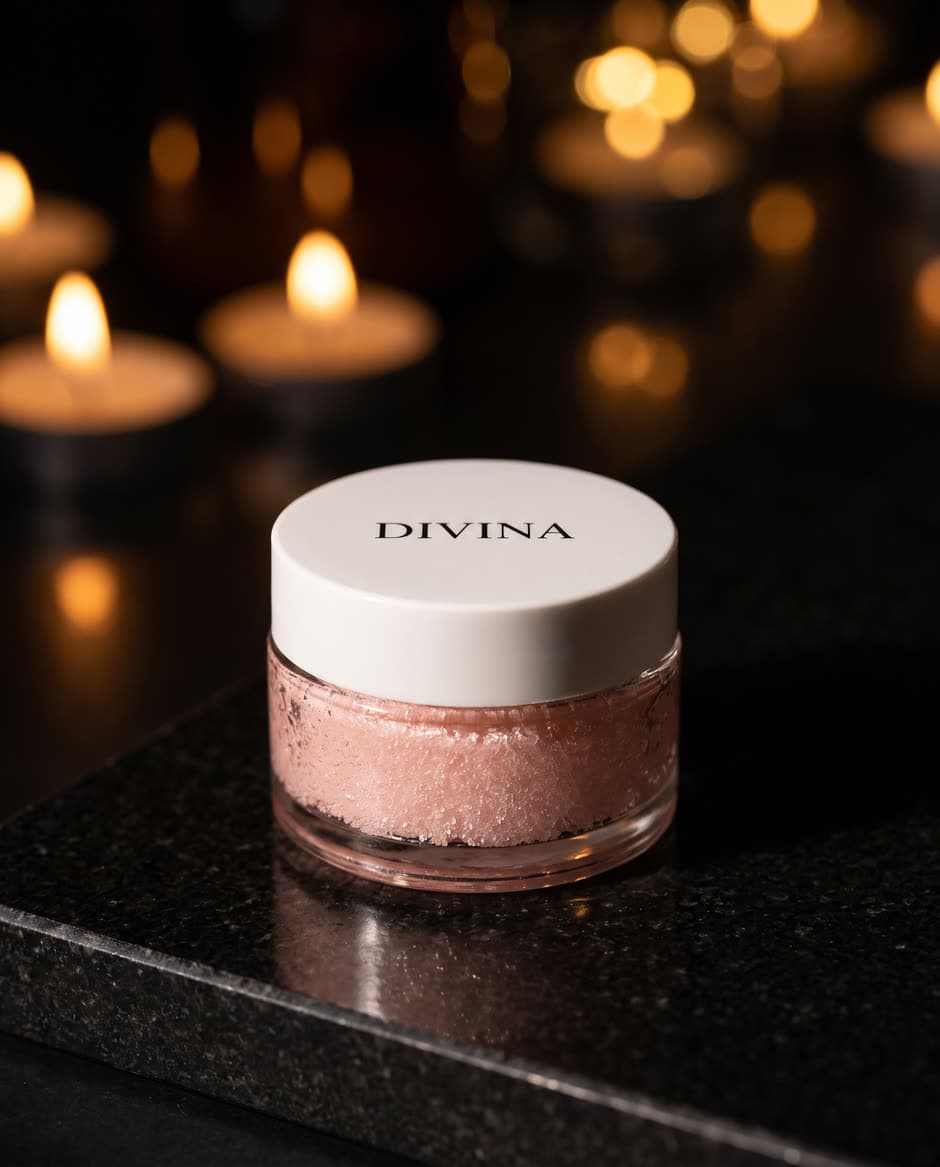
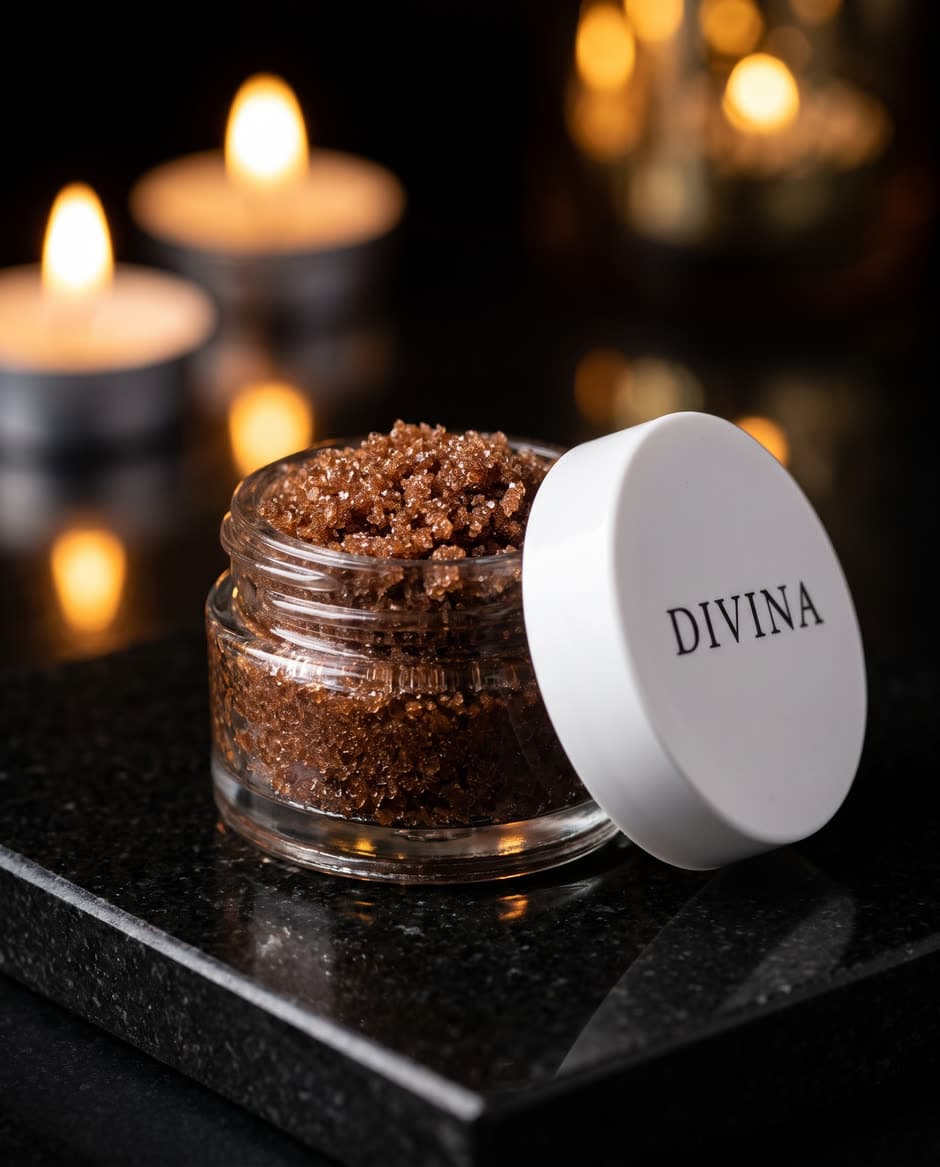
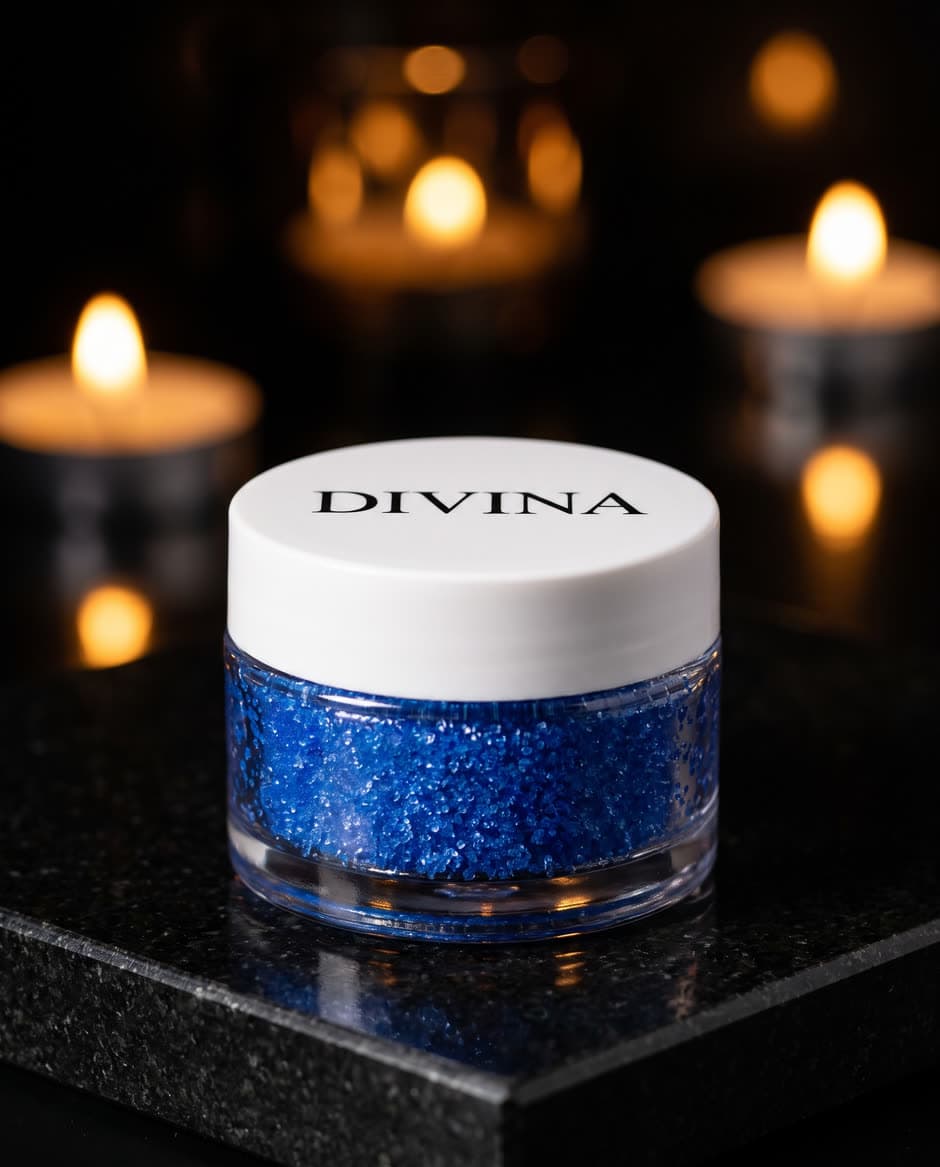
Framboise Bleue
Blue Raspberry Lip Scrub — 15ml
$18
Listed as Cocos Nucifera (Coconut) Oil
Vegan, going by its list
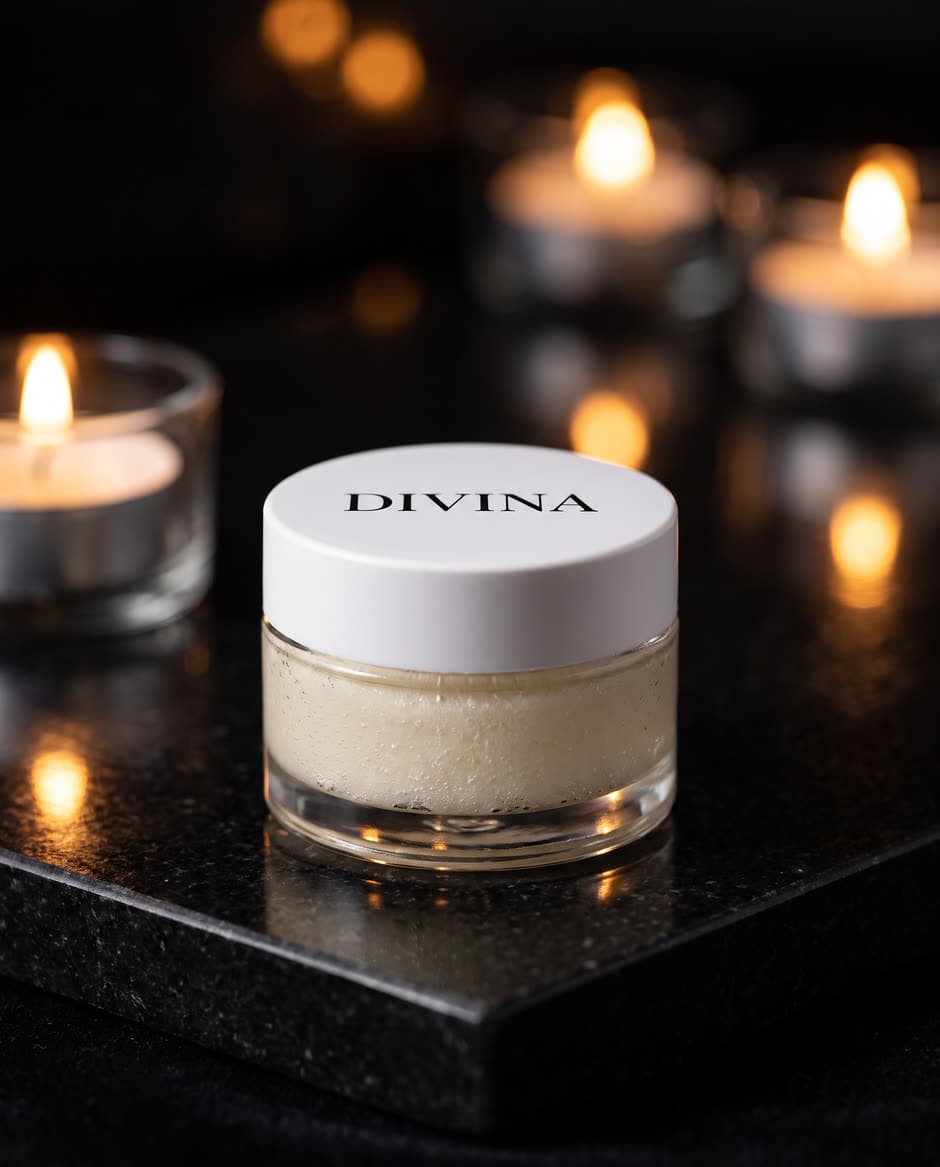
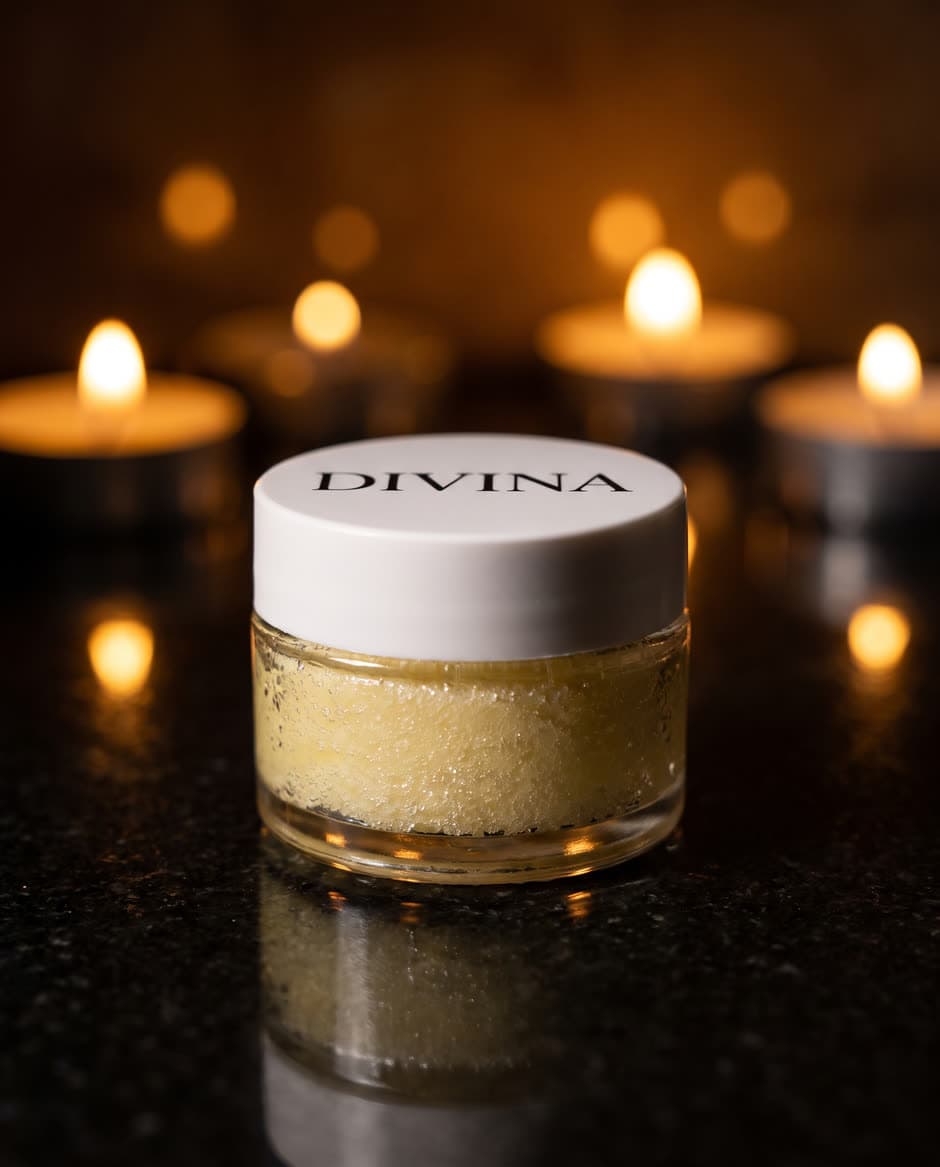
Piña Colada
Piña Colada Lip Scrub — 15ml
$18
Listed as Cocos Nucifera (Coconut) Oil
Vegan, going by its list
Questions
Does coconut oil clog pores?
It can, for some people, when left on the face. It is generally fine on lips and body. If you're breakout-prone, keep it off your face.
Is coconut oil good for lips?
Yes. Its richness is exactly what dry lips want, which is why it turns up in lip scrubs and balms.
How we know: every ingredient list on this site is the manufacturer’s own, read piece by piece and shade by shade, and the pieces above are worked out from those lists each time the site is built. Ingredient names and functions follow the EU’s CosIng database. This page describes cosmetic ingredients; it isn’t medical advice.
More in “The actives and the oils”