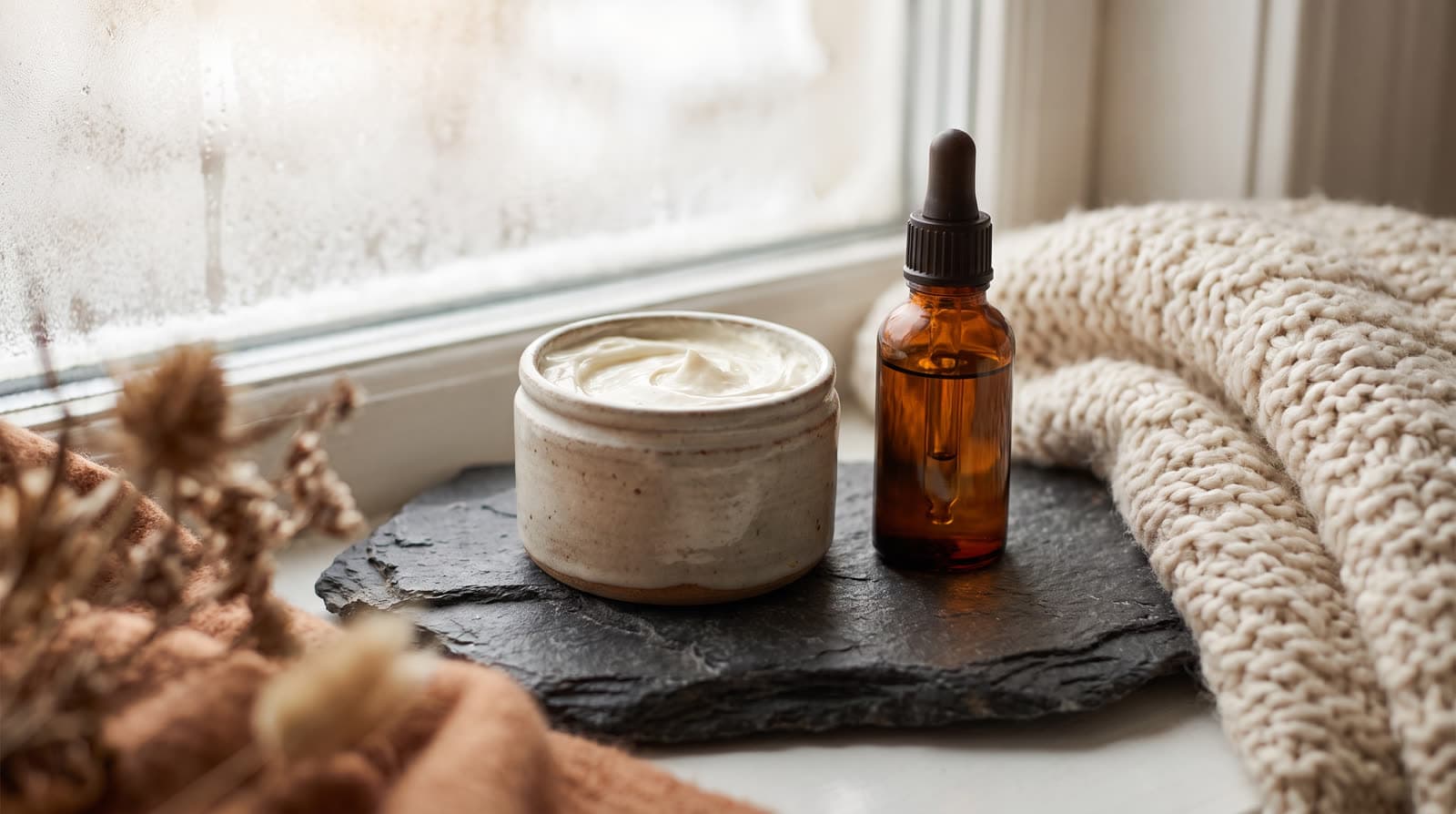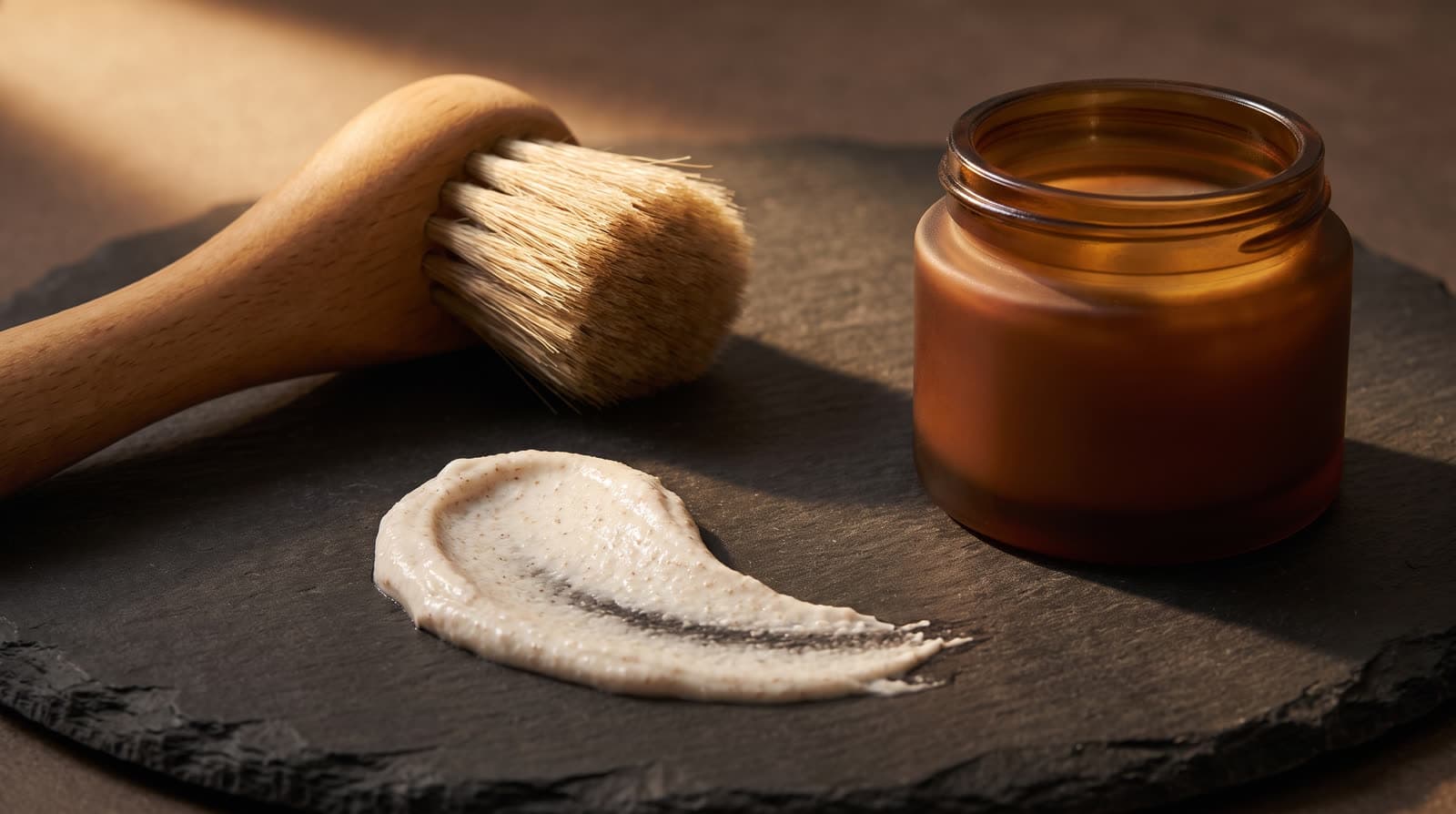
Slugging sounds unglamorous and looks a little ridiculous, but the idea behind it is sound and very old: seal your skincare in overnight so nothing evaporates, and wake up with skin that feels cushioned and looks dewy. Here's who it's genuinely brilliant for, and who should approach with care.
What is slugging?
Slugging is the practice of applying an occlusive layer — traditionally petrolatum, or a rich balm — as the final step of your night routine, to seal in moisture and prevent overnight water loss. The name comes from the slightly glossy, slug-like sheen it leaves.
It isn't an active step; it's a lid. You do your normal routine — hydrating serum, moisturizer — and then trap it all in so the skin stays saturated through the night. The result the next morning is plump, comfortable, glowing skin.
Who should try slugging (and who shouldn't)?
Slugging is ideal for dry, dehydrated, or barrier-compromised skin, especially in winter. It's best approached carefully by oily or acne-prone skin, where a heavy occlusive over the wrong products can trap oil and trigger congestion.
If your skin drinks up moisturizer and still feels tight by morning, slugging is likely to be a revelation. If you're oily or breakout-prone, you can still slug — just do it on strategically dry areas, avoid the T-zone, and never seal actives underneath (more on that below).
How do you slug properly?
The method: cleanse, apply a hydrating serum and your moisturizer, then finish with a thin occlusive layer — over dry (not damp) skin, and never over strong actives.
- Cleanse gently.
- Hydrate — a humectant serum, and a moisturizer such as La Crème, which gives the occlusive something worth sealing.
- Seal — a thin layer of a rich balm or butter as the final step. Our Le Beurre body butter doubles beautifully as an occlusive on very dry patches, hands, and lips.
- Skip actives underneath — never slug over retinol or acids; trapping them amplifies irritation.
A few drops of a facial oil can stand in as a lighter, less heavy "seal" for those who find balms too much.
Can slugging cause breakouts?
It can, if you seal the wrong things or slug skin that's already oily and congested. The occlusive itself doesn't cause acne, but trapping oil, sweat, or pore-clogging products underneath it can. Clean skin and a light hand prevent this.
The rule that avoids trouble: slug over hydration, never over heavy oils, makeup residue, or actives, and start once or twice a week rather than nightly. If you break out, pull back to just the driest areas.
How often should you slug?
Start once or twice a week, and increase only if your skin loves it. Dry skin in a harsh winter might slug most nights; normal-to-combination skin might reserve it for when the skin feels particularly parched.
It's a tool, not a daily law. Read your skin: cushioned and glowing means keep going; congested means dial back.
FAQ
What does slugging do for your skin? It seals in your moisturizer overnight with an occlusive layer, preventing water loss so you wake up with plumper, dewier, more comfortable skin. It's a moisture lock, not an active treatment.
Is slugging good for acne-prone skin? Approach with care — the occlusive can trap oil and congestion on oily or breakout-prone skin. If you want to try it, avoid the T-zone, slug only dry areas, and never seal over heavy oils or actives.
Can I slug over retinol? No — sealing an occlusive over retinol or acids traps and amplifies them, which can cause irritation. Slug over plain hydration and moisturizer only; use actives on a different night.
How often should I slug? Start once or twice a week and adjust to how your skin responds. Very dry skin in winter may do it most nights; combination skin may reserve it for especially parched evenings.
Do I need petroleum jelly to slug? No — any occlusive works, including a rich balm or body butter on dry patches, or a facial oil as a lighter seal. The point is a moisture-trapping final layer, not a specific product.
Give slugging something worth sealing: La Crème →, with L'Élixir as the serum beneath it and Le Beurre as the occlusive for very dry patches.
Slugging isn't a treatment. It's a lid — it seals in the good work you already did, and asks nothing clever of the skin.