Exfoliation has a reputation as the step that gives you glass skin — and it can — but it's also the step people most often overdo, and over-exfoliated skin looks worse than un-exfoliated skin. The right frequency depends on your skin and the method, and it's almost always less than you think.
How often should you exfoliate?
For most people, one to three times a week is the sweet spot — enough to keep skin smooth and clear, not so much that you damage the barrier. Daily exfoliation is rarely a good idea, whatever the product promises.
The instinct to exfoliate more (because skin looks flaky or dull) is usually the trap: that flakiness is often from over-exfoliating. Start low — once a week — and increase only if your skin stays calm and comfortable.
How often should each skin type exfoliate?
Frequency by type: oily/combination skin can handle 2–3 times a week; normal skin around 1–2; dry or sensitive skin closer to once a week or even less. Adjust down the moment skin feels tight or reactive.
- Oily / combination → 2–3× a week (often a BHA for congestion).
- Normal → 1–2× a week.
- Dry → ~1× a week, gentle (a lactic-acid or mild exfoliant), always followed by rich moisture.
- Sensitive → once a week or less, the gentlest option, or skip in favour of a mild renewal treatment like Le Renouveau.
Does the type of exfoliant change how often you use it?
Yes — gentle chemical exfoliants (mild acids, enzymes) can often be used more regularly than harsh physical scrubs, which can micro-tear skin if overdone. Match frequency to how gentle the method is.
A well-formulated leave-on acid or a gentle nightly resurfacer is easier on skin than a gritty scrub, so it fits into a routine more often. Whatever the type, follow with moisturizer (La Crème) and wear sunscreen the next day.
What are the signs you're over-exfoliating?
The barrier's distress signals are tightness, stinging, redness, unexpected flaking, a tight shiny look, and new sensitivity to products you used to tolerate. If you notice these, stop exfoliating entirely and let skin recover.
Over-exfoliation is the single most common self-inflicted skin problem. The fix is subtraction: pause all acids and scrubs, cleanse gently, hydrate richly, and give it two to four weeks of calm before reintroducing anything.
Can you exfoliate too little?
Yes, mildly — skipping exfoliation entirely can leave skin looking dull or feeling rough, with product not absorbing as well — but under-exfoliating is far easier to fix (and far less damaging) than over-exfoliating. When in doubt, do less.
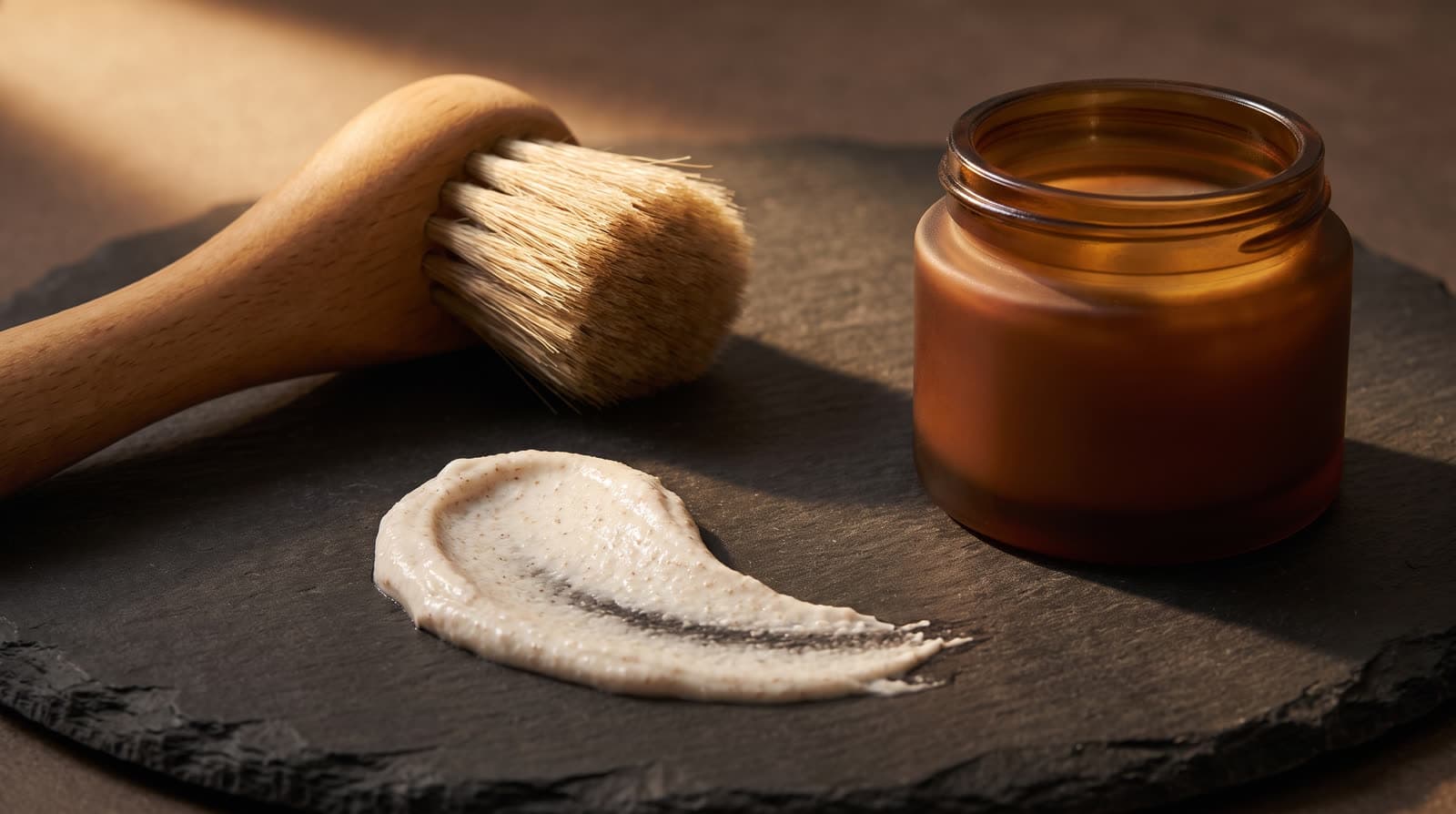
If your skin looks a bit flat or your products seem to sit on top, a gentle weekly exfoliation (or a clay treatment like Le Masque) usually revives it. But the risk of too little is minor; the risk of too much is real barrier damage.
FAQ
How often should you exfoliate your face? For most people, one to three times a week — enough to keep skin smooth without damaging the barrier. Start once a week and build up slowly; daily exfoliation is rarely advisable.
How often should oily skin exfoliate? Oily and combination skin can usually handle two to three times a week, often with a BHA for congestion. Still start low and increase gradually, and stop if skin feels tight or stripped.
How often should sensitive skin exfoliate? Once a week or less, using the gentlest option — or skip harsh exfoliants entirely in favour of a mild renewal treatment. Sensitive skin's barrier is easily overwhelmed.
What happens if you exfoliate too much? You damage the barrier: tightness, stinging, redness, flaking, and new sensitivity. Stop all exfoliation, hydrate gently, and let skin recover for a couple of weeks before reintroducing anything.
Should you moisturize after exfoliating? Yes, always — exfoliation is more effective when followed by moisturizer to soothe and hydrate. And wear sunscreen the next day, since freshly exfoliated skin is more sun-sensitive.
Once a week, a clay mask to clear pores: Le Masque d'Argile →. Soothe with La Crème.
Exfoliation is the one step where doing more actively makes your skin worse. Less, and consistent, is the whole secret.