Face masks are the most satisfying step in skincare and the easiest to misuse — usually by leaving a clay mask on until it's cracked and tight, believing that means it's working. It doesn't. A mask is a weekly refinement, and a few small habits are the difference between clarified, refreshed skin and a stripped, irritated one.
How do you use a face mask correctly?
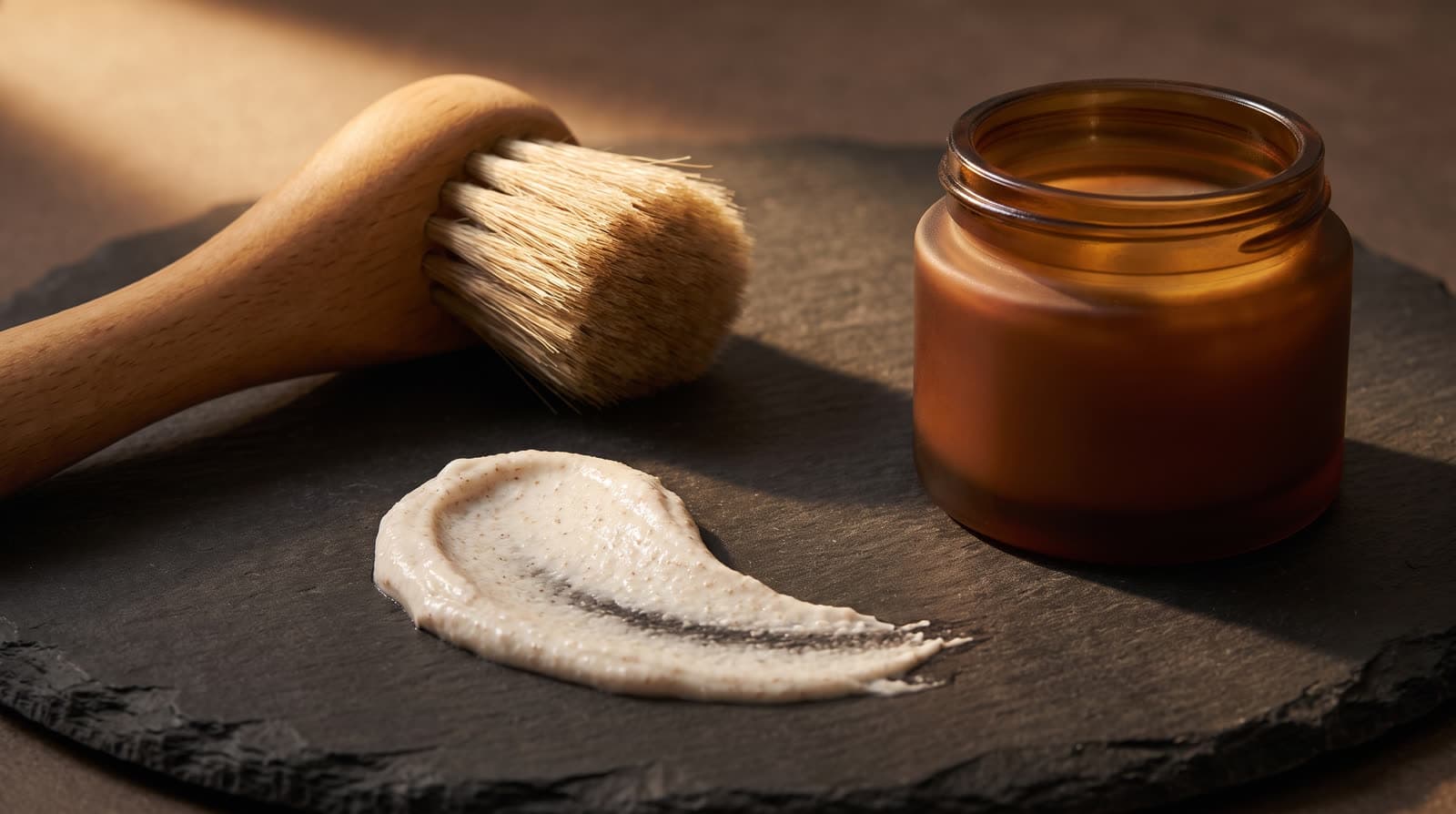
Use a face mask by applying it to clean skin, leaving it on for the time on the label (not longer), rinsing thoroughly, and moisturizing after. A clay mask should come off while still slightly tacky — not left until fully cracked and dry.
The sequence: cleanse (Le Purifiant) → apply an even layer of mask, avoiding the eye area → wait → rinse with lukewarm water → tone/hydrate and moisturize. Masks are a treat between your normal steps, not a replacement for them.
How long should you leave a face mask on?
Leave a clay or purifying mask on for about 5–10 minutes — until it's set but not bone-dry. Leaving it until it fully cracks doesn't deepen the benefit; it pulls moisture from the skin and can leave it tight and irritated. Hydrating masks can stay on longer.
The "tighter and more cracked = more effective" belief is the number-one mask mistake. Once a clay mask has done its job (drawn oil and impurities), extra minutes only dehydrate. Rinse while it's still slightly tacky.
How often should you use a clay mask?
Use a clay or purifying mask once or twice a week — enough to clarify and refine without over-drying. Oily skin can go toward twice; dry or sensitive skin, once or less. Daily use of a clay mask will strip and irritate.
Match the frequency to your skin, not to how satisfying it feels. A weekly clay mask (Le Masque Argile) keeps pores clear; more often tips into barrier stress. [See: how to unclog pores.]
When should you use a face mask in your routine?
Use a face mask after cleansing and before your serums and moisturizer — on clean skin, so it works directly, and followed by hydration to replenish. In the evening is ideal, when you're not layering sunscreen and makeup over it.
Masking before your treatment steps means your serums absorb into freshly-clarified skin. Always follow a purifying mask with a hydrating essence and moisturizer to rebalance.
Should you moisturize after a face mask?
Yes — always follow a mask (especially a clay one) with hydration and moisturizer to replenish what the mask drew out and seal the skin. Skipping this is why some people feel tight after masking.
A hydrating serum (La Rosée) then a moisturizer (La Crème) restores comfort and locks in the refreshed feel. The mask clarifies; the follow-up hydrates. Both halves matter.
FAQ
How often should you use a face mask? Clay/purifying masks: once or twice a week (less for dry/sensitive skin). Hydrating masks can be used more often. Daily use of a clay mask over-dries and irritates skin.
How long should I leave a clay mask on? About 5–10 minutes — until set but not fully cracked and dry. Leaving it longer pulls moisture from the skin and causes tightness; rinse while it's still slightly tacky.
Do you moisturize before or after a face mask? After — cleanse, mask, rinse, then hydrate and moisturize. A purifying mask draws out oil and impurities, so following with hydration replenishes and seals the skin.
Do clay masks dry out your skin? They can if left on too long or used too often — that's the main mistake. Used correctly (5–10 minutes, once or twice a week, moisturize after), a clay mask clarifies without over-drying.
When is the best time to use a face mask? In the evening, after cleansing and before serums/moisturizer, when you're not layering sunscreen or makeup over it. Once or twice a week fits neatly into a normal routine.
Divina's purifying clay mask for a weekly reset: Le Masque →. Follow with La Crème.
<!-- SCHEMA: Article + FAQPage. See PUBLISHING-GUIDE.md -->
Further reading
A clay mask should come off before it fully dries. The cracked, tight 'it's working' feeling isn't the goal — it's the mistake.