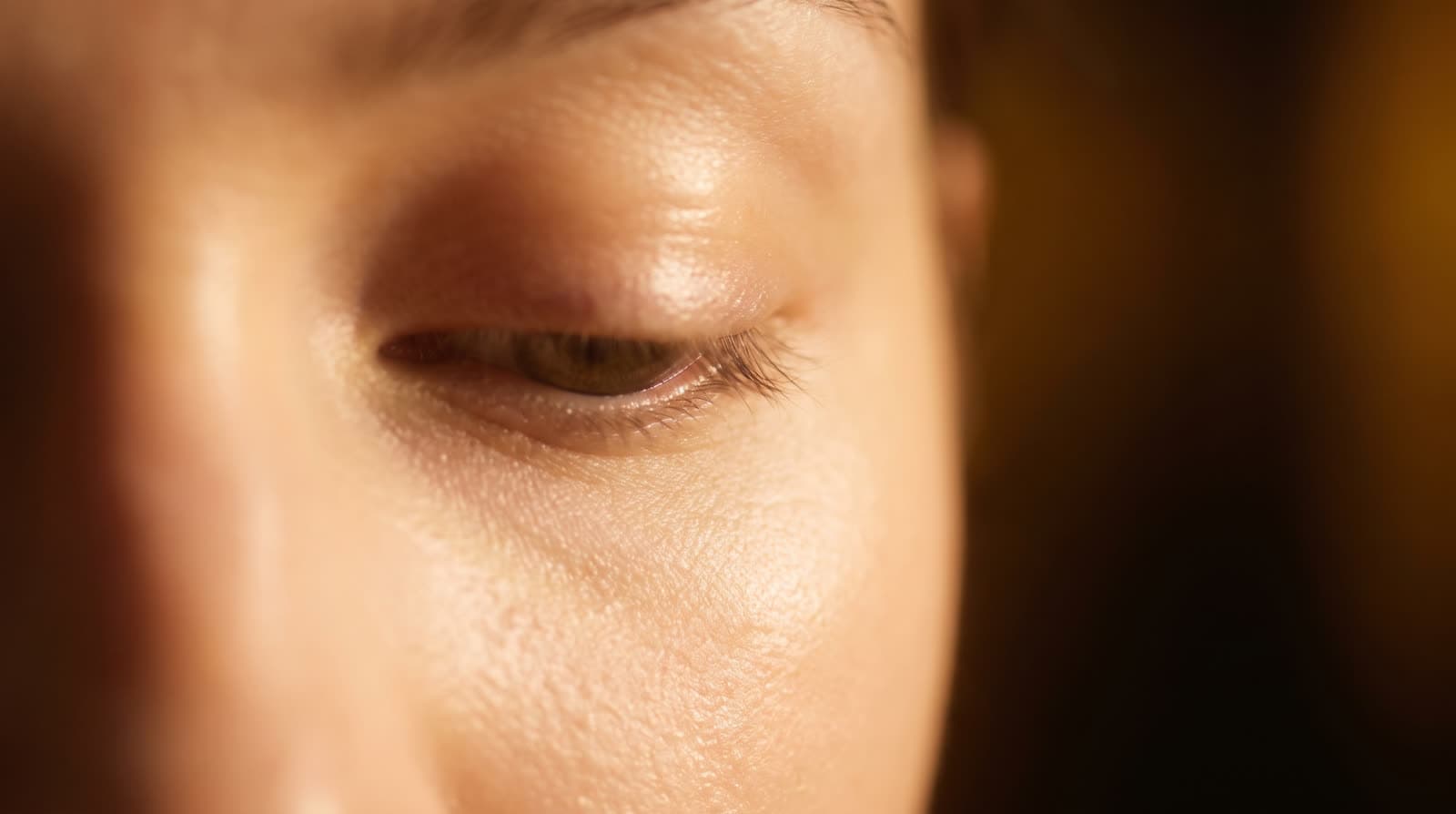
Dark circles are one of the most frustrating skin concerns because so many "solutions" do nothing — and that's usually because they're aimed at the wrong cause. Dark circles come in three types, and the first, most useful step is figuring out which one (or combination) you have.
What actually causes dark circles?
Dark circles have three main causes: pigmentation (excess melanin, often genetic), visible blood vessels through thin under-eye skin (a bluish or purple look), and shadow cast by the eye structure or puffiness. Most people have some blend of the three.
A quick self-test: gently stretch the skin under your eye. If the darkness stays, it's likely pigment. If it fades, it's more about thin skin and visible vessels. And if the darkness is really a shadow from a hollow or from puffiness, changing the light (or lying down) changes how it looks. Knowing your type tells you what will actually help.
How do you treat pigment-type dark circles?
Pigment-type circles respond to brightening ingredients and sun protection: vitamin C, niacinamide, gentle consistency, and daily SPF and sunglasses to stop the pigment deepening.
This is the slow, steady type — a brightening serum like Lumière used on the face (kept just outside the immediate eye area) helps even overall tone over weeks, and diligent sun protection prevents it worsening. Patience is the ingredient; there's no overnight fix for pigment.
What helps thin-skin and shadow circles?
For thin-skin (vascular) circles, focus on hydration, gentle care, and ingredients like caffeine and peptides that firm and support the delicate area; for shadow circles, de-puffing and, honestly, a good concealer do the most.
The under-eye skin is the thinnest on the body, so it rewards gentleness and hydration — a dedicated eye product like Le Contour — peptides, resveratrol and hyaluronic acid, and no caffeine, which we say plainly because we once claimed otherwise — patted in with the ring finger, supports and smooths the area over time. But for an instant difference on shadow and vascular circles, nothing beats a well-matched concealer.
Does concealer or skincare work better for dark circles?
They do different jobs: skincare gradually improves the look of the area over weeks; concealer fixes it instantly. For most people the honest answer is both — care underneath, colour on top.
A peach- or salmon-toned corrector neutralizes blue/purple circles before concealer, and a concealer like L'Anticerne one shade lighter than your foundation brightens the area in seconds. Matching that by undertone rather than by name is the whole game — the Shade Finder does it in a minute. Skincare is the long game; makeup is this morning.
What lifestyle habits reduce dark circles?
The supporting habits matter more than people expect: consistent sleep, staying hydrated, managing allergies (which darken the under-eye), lowering evening salt, and daily sun protection.
Allergies are an underrated culprit — chronic rubbing and congestion darken the area — so treating them can visibly help. And since sun exposure deepens pigment and thins skin over time, sunglasses and SPF are quietly two of the best "eye creams" you own.
FAQ
Can you get rid of dark circles permanently? It depends on the cause — pigment and thin-skin circles can be significantly reduced with brightening skincare, sun protection, and gentle care, but genetics play a role. Shadow-type circles are structural and best handled with de-puffing and concealer.
What ingredient is best for dark circles? It depends on the type: vitamin C and niacinamide for pigment; caffeine and peptides for thin, vascular circles; hydration for all. Daily sunscreen underpins every approach by preventing the pigment and thinning from worsening.
Does eye cream really help dark circles? A good eye product helps gradually — brightening and firming ingredients improve the look of the area over weeks, and gentle application supports the delicate skin. For an instant fix, concealer does more.
Why do I have dark circles even when I sleep well? Because sleep is only one cause — genetics, pigment, thin skin, allergies, and eye-structure shadow all contribute. Do the stretch test: if the darkness stays when you gently pull the skin, it's pigment, not fatigue.
How do I cover dark circles with makeup? Neutralize first with a peach/salmon corrector, then apply a concealer one shade lighter than your foundation, patted (not rubbed) and set lightly so it doesn't crease. Less product, well placed, looks better than heavy coverage.
Divina's eye treatment for the most delicate skin you have: Le Contour →. Brighten tone with Lumière; conceal instantly with L'Anticerne.
Half the battle with dark circles is diagnosis. Treat pigment like shadow, or shadow like pigment, and nothing works.