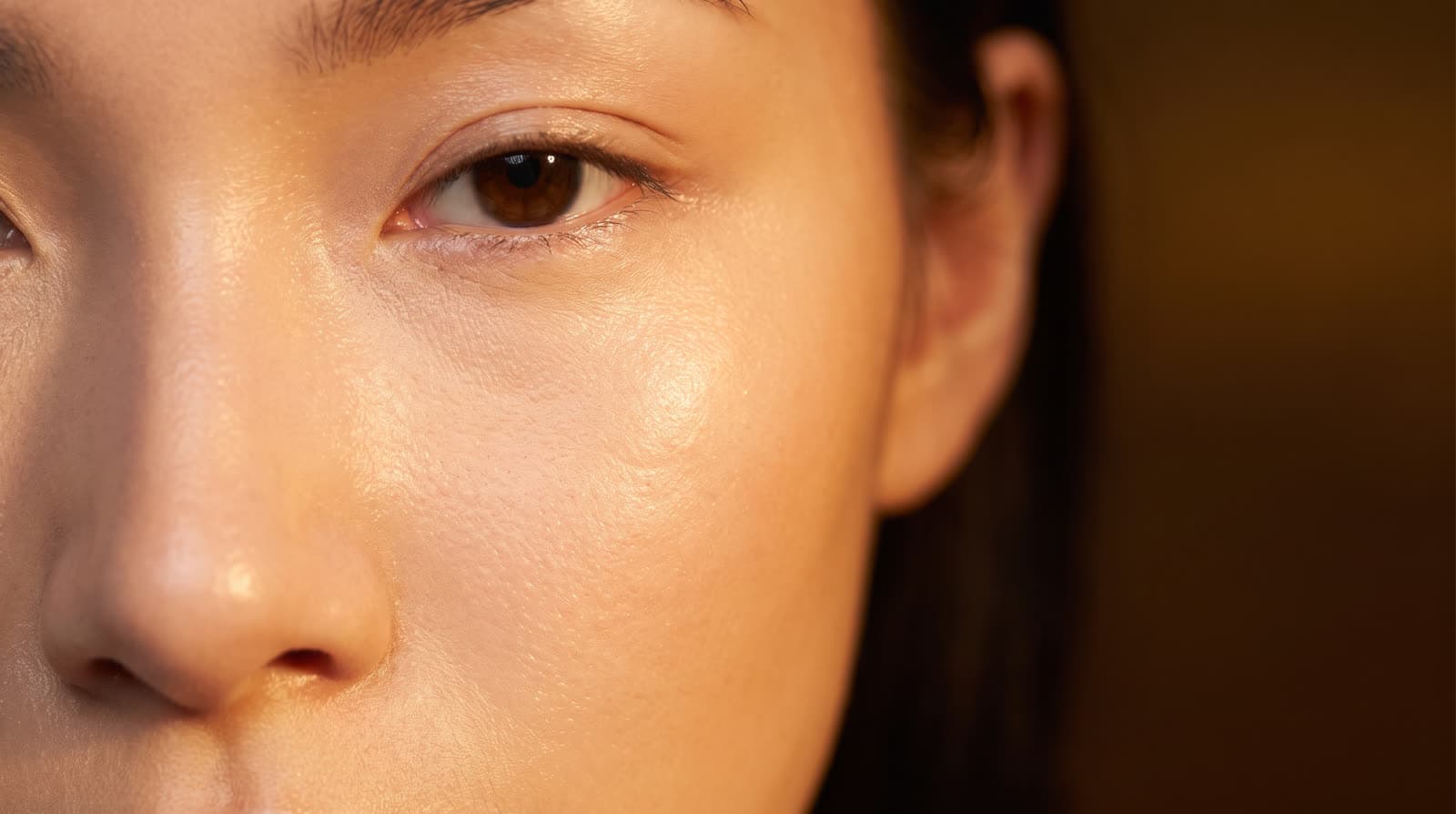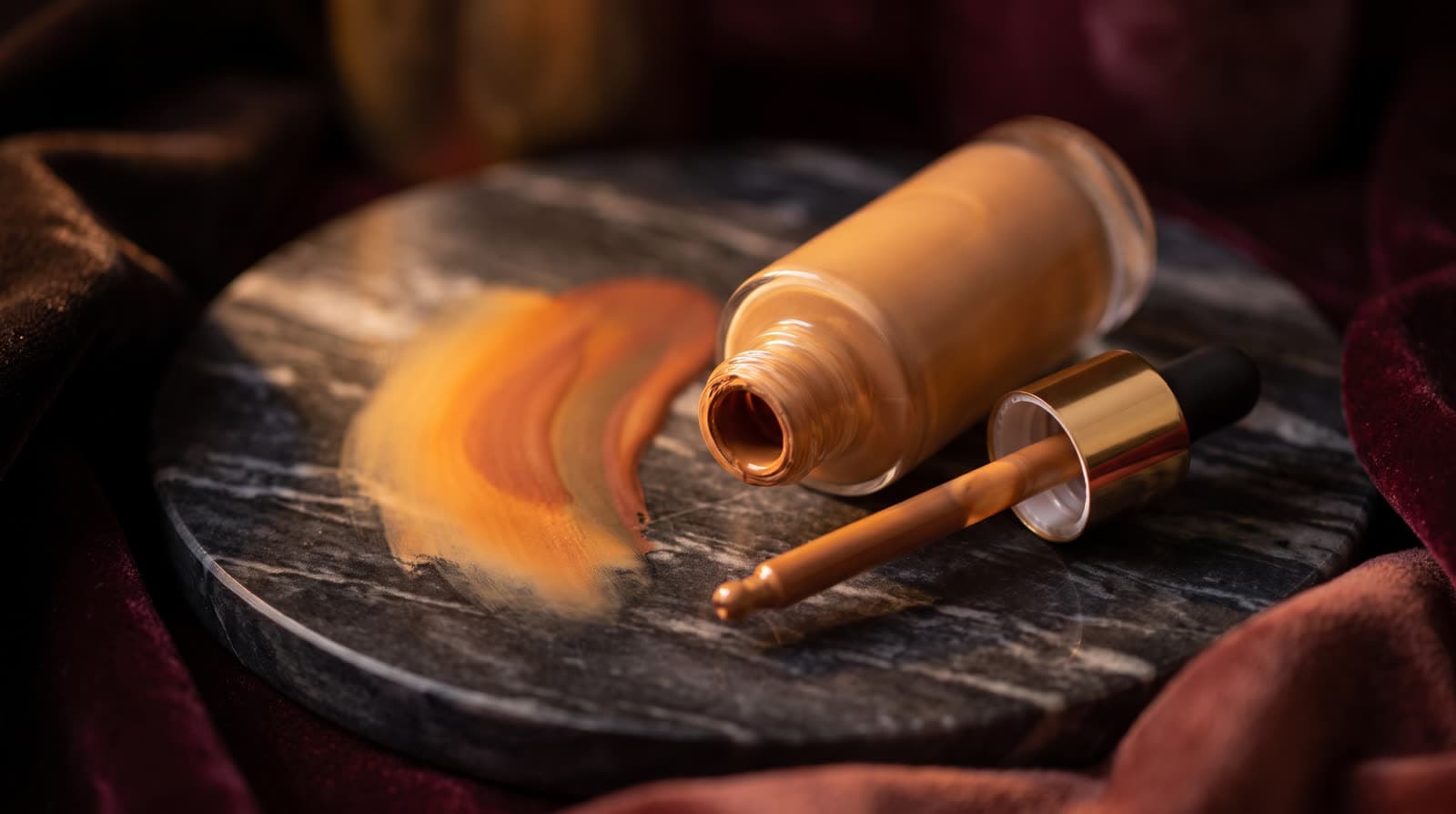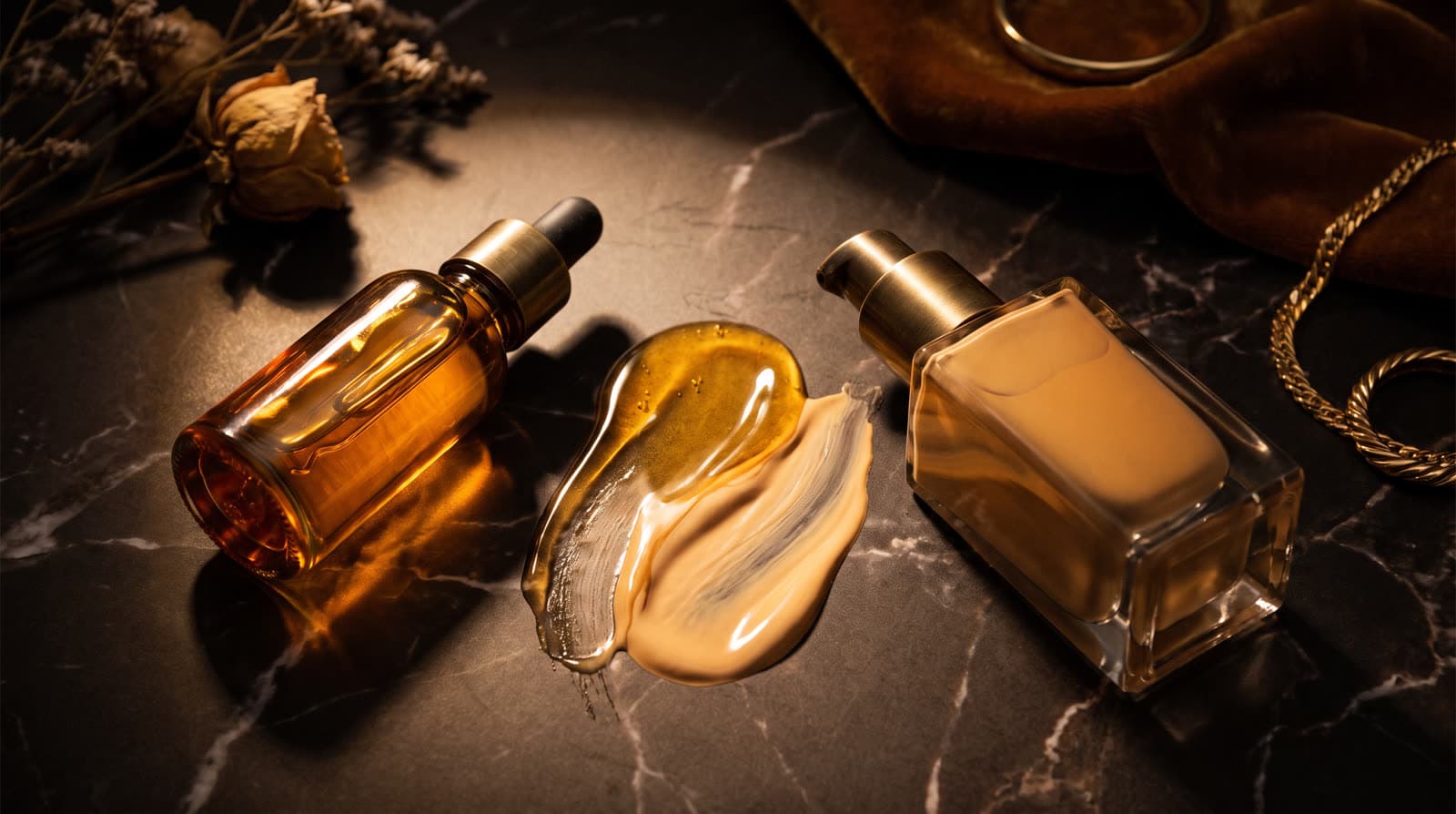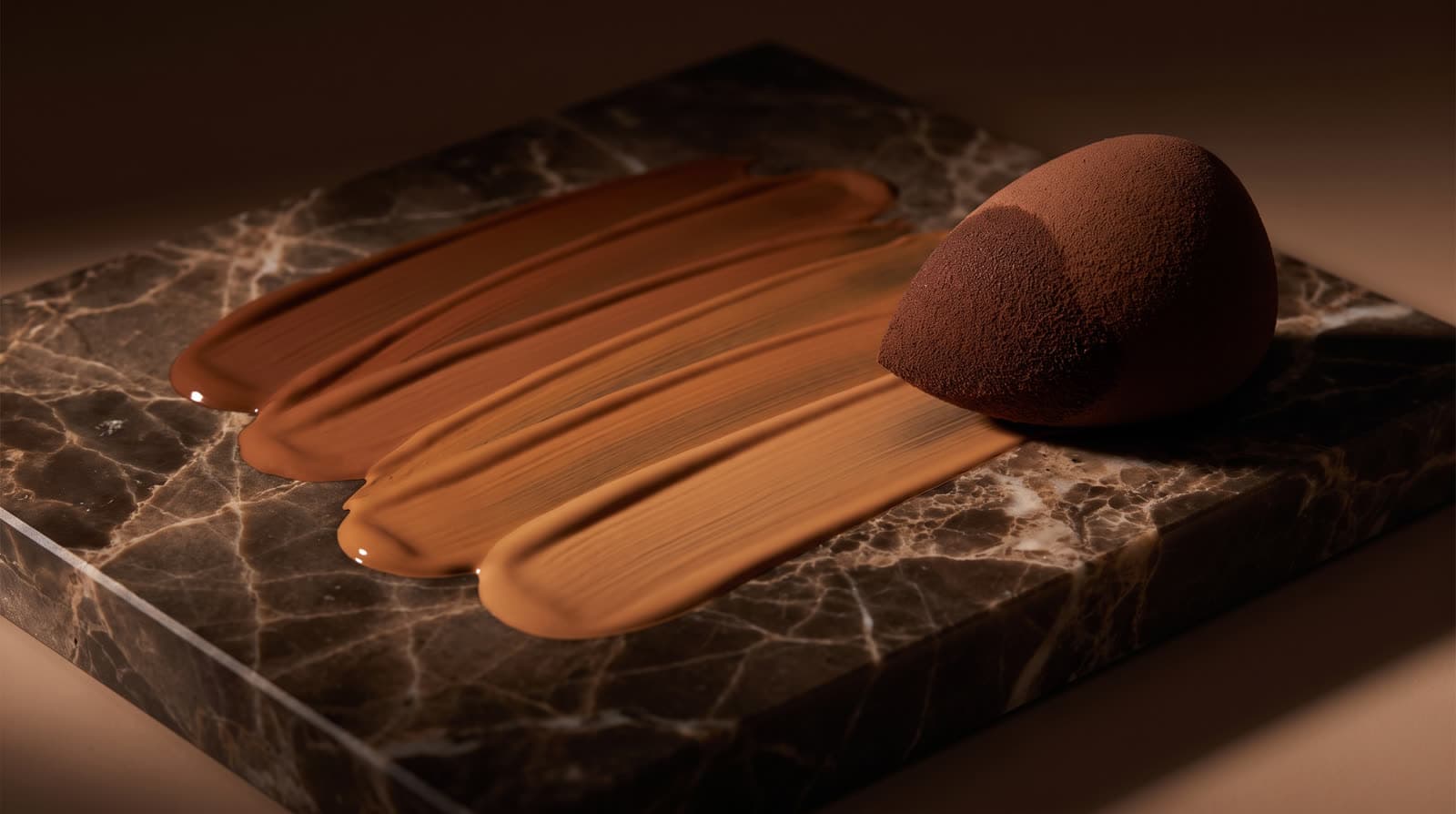
Foundation gets blamed for looking "cakey" when the real culprit is almost always the application — too much product, dry skin underneath, or the wrong tool. Done well, foundation should read as better skin, not as a layer. Here's the method that gets you there.
How do you prep skin for foundation?
Good foundation starts before the foundation: cleanse, moisturize, and let it absorb, then apply a light primer or simply well-hydrated skin as the base. Foundation clings to dry patches and slides off oily ones, so balanced, prepped skin is 80% of a flawless finish.
Give your moisturizer a few minutes to sink in before you start — applying foundation over wet moisturizer is the fastest route to separation and pilling. For a natural finish, hydrated skin often does more than any primer.
How much foundation should you use?
Less than you think — start with a small amount (a pea-size for light coverage), build only where you need it, and leave the areas that are already even bare. You can always add; you can't easily subtract without it looking heavy.
The natural-finish secret is that you don't need full coverage everywhere. Most faces are even across the outer cheeks and forehead and only need help around the nose, chin, and any redness. Build there, blend out, and let your real skin show through the rest.
What's the best way to apply foundation?
For the most skin-like finish, apply with a damp makeup sponge (press and roll, don't wipe), or a brush for more coverage, working from the centre of the face outward. A damp sponge sheers the product into skin; fingers work in a pinch for lightweight formulas.
- Damp sponge — the most natural finish; dampen, squeeze out excess, and press-roll the foundation in.
- Brush — buffs in more coverage; use small circular motions, then a few downward strokes to smooth facial hair flat.
- Fingers — the warmth helps a lightweight formula like Le Fond de Teint Liquide melt in for a your-skin-but-better look.
Work from the middle of the face out, so the most product sits centrally (where you want it) and fades toward the hairline and jaw (where a hard edge would show).
How do you stop foundation looking cakey?
Cakey foundation comes from too much product, dry skin underneath, or too much powder on top. The fixes: moisturize properly, use a lighter hand, set only the areas that need it, and revive a tired face with a spritz of setting mist rather than more powder.
If it's already looking heavy, press a damp sponge over the area to lift excess and re-melt it into the skin — this rescues a cakey finish better than adding anything. And concealer (like L'Anticerne) applied only where needed, after foundation, means you use far less foundation overall.
How do you make foundation last all day?
Longevity comes from prep and setting, not more foundation: balanced skin, thin layers, and a light dusting of setting powder or a setting spray focused on the T-zone. Blotting (not re-applying) through the day keeps it fresh.
For a natural finish that still lasts, set only the areas that move or get oily — around the nose, the centre of the forehead — and leave the cheeks dewy. A full face of powder is what tips "lasting" into "mask."
FAQ
How do you apply foundation for a natural look? Prep with moisturizer, use a small amount and build only where needed, and press it in with a damp sponge from the centre of the face outward. Leave already-even areas bare so your real skin shows through.
What is the best tool to apply foundation? A damp makeup sponge gives the most natural, skin-like finish; a brush builds more coverage; fingers work for lightweight formulas. The damp sponge sheers product into the skin rather than sitting it on top.
Why does my foundation look cakey? Usually too much product, dry skin underneath, or too much powder. Moisturize first, use thinner layers, set only where needed, and press a damp sponge over cakey areas to lift and re-melt the excess.
Should I use concealer or foundation first? Apply foundation first, then concealer only where you still need it — you'll use far less concealer and avoid a heavy look. Set lightly afterward if the area tends to crease.
How do I make foundation last all day? Start with balanced, prepped skin and thin layers, then set the T-zone with a light powder or a setting spray. Blot excess oil through the day rather than adding more foundation.
Divina's high-definition liquid foundation, built to look like skin: Le Fond de Teint Liquide →. Spot-conceal with L'Anticerne.
The best foundation compliment is no compliment at all — just "your skin looks amazing."